Finding the Right General Contractor: Tips for a Successful Home Renovation
Identifying the ideal home renovation professional is crucial for a productive home renovation. Property owners often face difficulties in identifying skilled professionals. Clarifying renovation goals is the starting point. After that, they must research various options to locate reliable contractors. Key credentials and effective communication are important factors in the evaluation process. As homeowners commence on this journey, understanding key elements can lead to thoughtful decisions. The next steps may shape the complete renovation outcome.
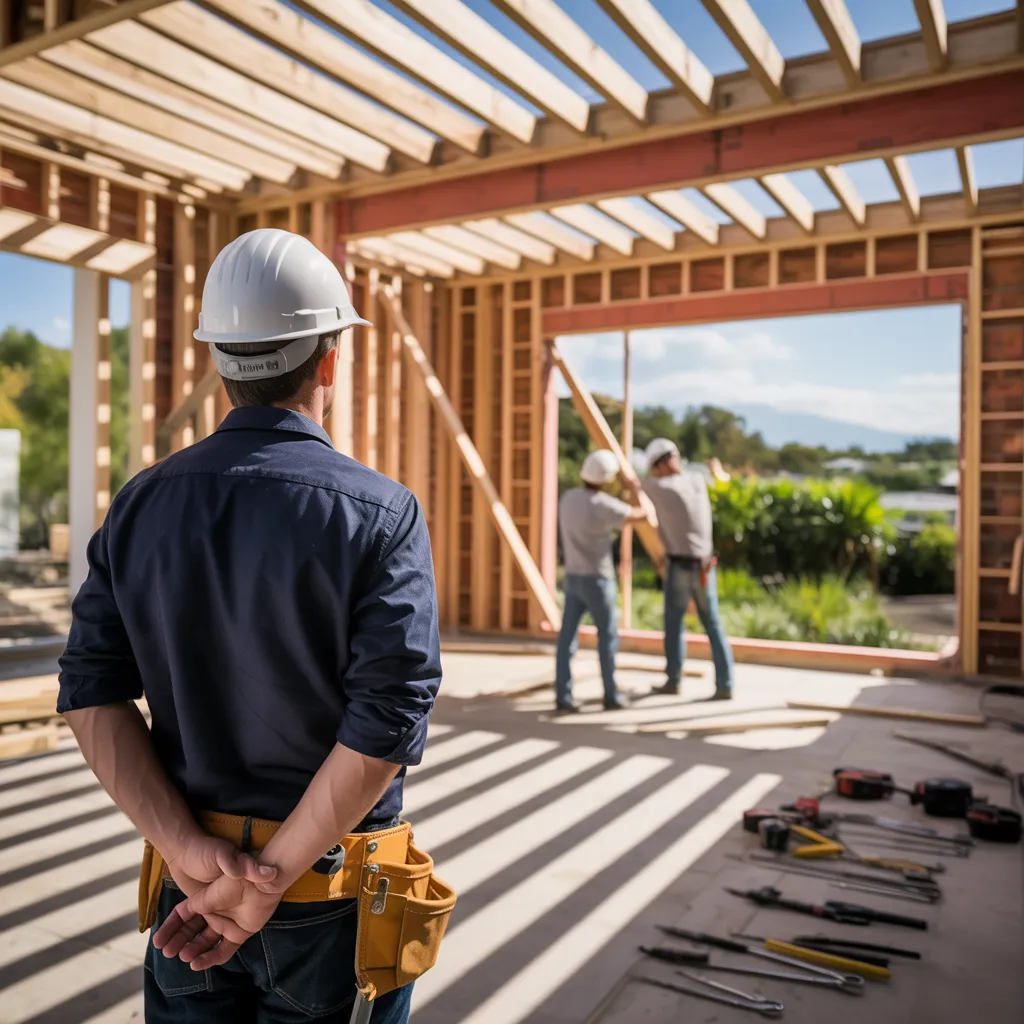
Start by Outlining Your Renovation Goals
When beginning a renovation project, defining clear goals is crucial for success. It allows homeowners to express their vision clearly, identify and prioritize their needs, and allocate resources effectively. Goals should encompass not only aesthetic preferences but also operational needs, budgetary restrictions, and timelines. By setting concrete objectives, such as expanding living space or enhancing energy efficiency, homeowners can develop a comprehensive plan that directs the full renovation process.
Furthermore, including every stakeholder from the start of the planning phase guarantees that each party's expectations match. This team-oriented strategy reduces confusion and encourages a common sense of mission. Ultimately, precisely outlined renovation targets work as a structured guide, allowing homeowners to make informed decisions and assess prospective contractors with greater precision. Through establishing strong groundwork with defined goals, the chance of a triumphant renovation improves markedly, producing a gratifying upgrade of the living area.
How to Locate Reputable Contractors
When looking for reliable contractors, many tend to consult web-based directories and platforms that feature feedback and ratings. Moreover, personal recommendations and referrals from family or friends give important details regarding a contractor's reliability and quality of work. Combining these resources can result in a thorough and informed hiring process.
Web-Based Directories and Platforms
Navigating the expansive world of online directories and platforms can significantly simplify the search for dependable general contractors. Websites like Angie's List, HomeAdvisor, and Thumbtack permit homeowners to browse profiles, read reviews, and evaluate scores of various contractors. These platforms regularly provide verified reviews, providing insights into a contractor's trustworthiness and service quality. Users can narrow results based on particular requirements, such as project type and budget. Additionally, many directories provide detailed information about each contractor's qualifications, including certification and insurance information. By taking advantage of these platforms, homeowners can optimize their search efforts, connecting with a broader range of potential candidates while securing knowledgeable selections when hiring a general contractor for their remodeling initiatives.
Community Recommendations and Referrals
How do homeowners go about finding dependable general contractors in their community? One practical strategy is to gather recommendations and referrals from the local community. Neighbors, friends, and family who have recently gone through home renovations can share meaningful feedback about their contractor experiences. In addition, local online forums, community boards, and neighborhood social media groups commonly include discussions and endorsements for dependable contractors. It is also worth visiting nearby hardware stores or trade supply centers, as staff members may be able to suggest contractors who are well-acquainted with the local area. Home improvement expos and shows present an excellent opportunity to connect with contractors face to face and collect useful details. Through the use of these community connections, homeowners can significantly improve their likelihood of securing a skilled general contractor for their home improvement endeavors.
Critical Credentials to Evaluate in a General Contractor
A qualified general contractor must possess a number of key qualifications that establish trust in their capabilities. Above all else, a valid license is critical; it ensures adherence to local codes and requirements. Additionally, evidence of adequate insurance, comprising liability and worker's compensation policies, safeguards both the contractor and the homeowner against unanticipated occurrences during the construction process.
In addition, a construction professional should supply client references, displaying their portfolio of accomplished projects. Certifications from established industry bodies can also reflect specialized knowledge or qualifications in specific areas of construction.
Additionally, it is important to ensure that the general contractor has a positive standing with the Better Business Bureau, showcasing their trustworthiness within the community. By validating these certifications, property owners can substantially lower the risks associated with hiring a general contractor, paving the way for a more seamless and more successful remodeling experience.
Reviewing Contractor Bids: Critical Elements
When evaluating contractor bids, several key factors merit attention. Examining project scope information ensures that all aspects of the job are covered, while reviewing material quality assessments can uncover possible future expenses. Moreover, a detailed review of schedule projections assists in defining practical benchmarks for finishing the work.
Evaluate Project Scope Particulars
What critical elements should one consider when comparing project scope details in contractor estimates? To begin, a clear scope description is fundamental; all contractors ought to deliver a comprehensive list of tasks to be executed. Furthermore, schedules need to be explicitly outlined, including start and completion dates, as well as milestones. It is also crucial to assess labor costs and the number of workers assigned to the project, because this influences the project's general effectiveness. Moreover, one should evaluate how each contractor addresses potential changes or unforeseen issues within the project scope. In closing, being aware of payment structures and requirements can help avoid unexpected costs down the line. By focusing on these elements, homeowners can make informed decisions when selecting the right contractor for their renovation needs.
Assess Material Quality Estimates
Reviewing material quality estimates is vital for homeowners and renovators looking to guarantee the longevity and aesthetic appeal of their remodeling projects. When examining contractor estimates, it is important to scrutinize the kinds of materials specified. Superior materials may come with a higher upfront cost but can produce considerable savings over time through longevity and lower maintenance requirements. Homeowners and buyers should inquire about the brands and sources of the materials used, as well as warranties provided. Moreover, it's essential to recognize the consequences of using lower-quality options, which might negatively affect the overall outcome of the remodeling project. By thoroughly reviewing these estimates, homeowners can arrive at sound decisions that suit their financial plan and future objectives.
Carefully Examine Timeline Proposals
A thorough review of project schedules is essential for homeowners looking to comprehend the scope and schedule of their home renovation projects. Reviewing these schedules helps pinpoint potential delays and confirms that the contractor's vision matches the homeowner's goals. Homeowners should carefully assess the proposed start and completion dates, as well as significant milestones throughout the project. It is also necessary to factor in any allowances for unanticipated disruptions, which can impact the overall timeline. Transparent communication about these factors can prevent misunderstandings later on. Additionally, homeowners should evaluate schedules from several contractors to gauge realism and feasibility. A well-structured timeline not only improves project oversight but also builds confidence between homeowners and contractors, creating a reliable framework for partnership.
The Importance of Communication With Your General Contractor
Clear communication with a general contractor is crucial, as it lays the foundation for a successful project. Clear dialogue guarantees that both parties understand project goals, timelines, and expectations. Frequent updates and open lines of communication can resolve misunderstandings, decreasing the chance of costly errors.
Furthermore, open communication nurtures a collaborative environment, giving homeowners the opportunity to share their preferences and feedback. This candid exchange can generate forward-thinking resolutions that align with the homeowner's vision while adhering to budget constraints.
Creating a plan for communication early on, covering the preferred methods and how often updates are shared, can improve the professional relationship. All parties involved should feel at ease talking through challenges and adjustments as they arise. Ultimately, consistent communication not only enables smoother project execution but also establishes trust, which is important for maneuvering the intricacies of home renovation projects.
Steps to Verify References and Previous Projects
How do homeowners make certain they hire a dependable general contractor? One essential step involves checking references and reviewing previous work. Homeowners ought to ask for a roster of past clients and make an effort to reach out to them. Conversations should address the contractor's trustworthiness, standard of work, and ability to meet deadlines and financial plans.
Furthermore, residents can ask for photos or videos of finished work to examine the contractor's skill and artistry. Visiting active job sites reveals more about the builder's professionalism and organization.
Web-based reviews and ratings on platforms such as Google and Yelp can also offer valuable perspectives. Homeowners should be cautious of contractors with repeatedly poor reviews or limited transparency. By thoroughly vetting prior projects and references, homeowners can reach well-informed conclusions, decreasing the likelihood of employing unqualified contractors and guaranteeing their remodeling objectives are achieved successfully.
Key Questions to Ask Before Signing a Contract
Incorrect assumptions can result in significant missteps in home renovations. Before entering into a contract with a general contractor, homeowners should pose important questions to ensure clarity and mutual understanding. To begin, ask about the contractor's background with comparable projects to assess their level of expertise. Understanding the project timeline and possible delays is essential. Additionally, homeowners should inquire about the payment structure and what may trigger extra charges.
Defining the range of services is crucial; homeowners need to know precisely what is covered. Property owners should ask for details about subcontractors and their qualifications, as this can influence quality. Additionally, understanding the coverage on the work performed can help avoid complications later.
Lastly, residents should confirm the contractor's qualifications and insurance to avoid liabilities. These key considerations will facilitate sound decisions, encouraging a more successful remodeling experience.
Frequently Asked Questions
How Long Will a Standard Home Renovation Project Generally Take?
A typical home renovation can take anywhere from a couple of weeks to many months, depending on the project's overall scope, the complexity involved, and contractor and material availability, impacting the overall timeline considerably.
How Should I Handle It if My Contractor Goes Over Budget?
If a contractor exceeds the budget, the homeowner is advised to review the contract terms, talk through the causes of the cost overrun, and work toward mutually agreeable solutions. Open communication and detailed documentation play a vital role in successfully addressing financial discrepancies.
Is It Possible to Stay in My Home While Renovations Are Underway?
Yes, homeowners can continue living in their residence during construction work, but it largely relies on the scale of the renovation. Clear communication with the renovation professional and preparing for disruptions are necessary to limit discomfort and guarantee safety.
What Should I Do if My Contractor Fails to Meet Deadlines?
If a contractor fails to meet deadlines, it may result in setbacks in the project, rising consult now expenses, and potential conflicts. Property owners should carefully review the contract terms and address their concerns to reach a resolution or pursue alternative measures.
How Can I Resolve Disputes With My Contractor?
To handle disputes with a contractor, it is important to document all communications, examine the contract for relevant clauses, and engage in open dialogue. When no resolution is reached, professional mediation or legal representation might be needed to achieve a mutually agreeable outcome.